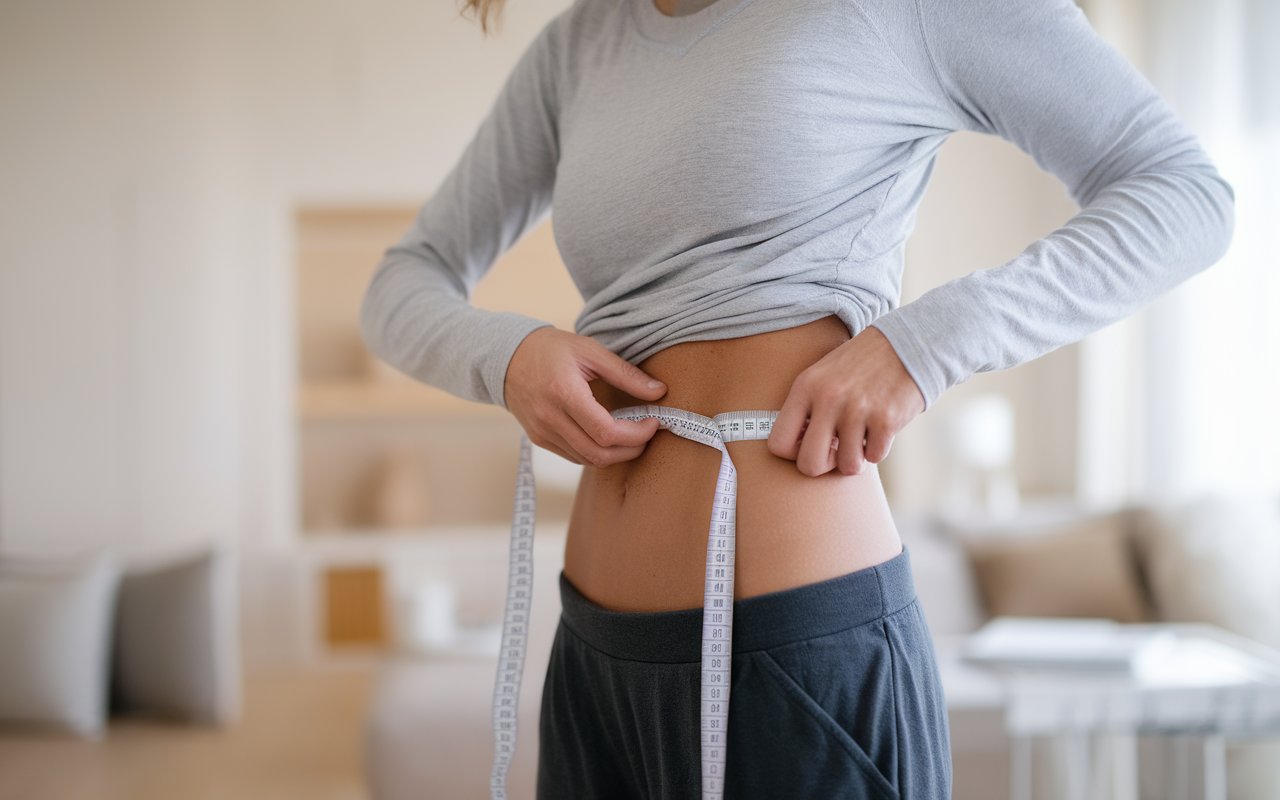
Learn How to Reduce Abdominal Fat
If your Body Roundness Index (BRI) result shows a higher level of abdominal fat, you’re not alone, and more importantly, you’re not stuck there.
Abdominal fat isn’t just about appearance. Excess fat around the waist, especially visceral fat (the kind that surrounds your organs), has been linked to increased risks of heart disease, type 2 diabetes, and metabolic issues.
The good news? You can reduce abdominal fat with the right combination of nutrition, movement, and lifestyle habits. This guide will walk you through exactly how to do it—without extreme diets or unsustainable routines
What Is Abdominal Fat?
Not all body fat is the same.
Subcutaneous fat: Lies just under the skin (you can pinch it).
Visceral fat: Stored deeper in the abdomen, around vital organs.
Visceral fat is the more dangerous type and is closely tied to poor metabolic health. Your Body Roundness Index is particularly useful because it reflects how fat is distributed around your body, not just how much you weigh. That makes it a more insightful indicator of abdominal fat than BMI alone.

What Causes Excess Abdominal Fat?
1. Poor Diet. Diets high in refined carbohydrates, sugar, and ultra-processed foods promote fat storage, especially around the midsection.
2. Lack of Physical Activity. Sitting for long periods and not getting enough daily movement reduces your body’s ability to burn fat efficiently.
3. Chronic Stress. High stress levels increase cortisol, a hormone linked to fat accumulation around the abdomen.
4. Poor Sleep. Sleep deprivation disrupts hunger hormones, leading to increased cravings and fat gain.
5. Hormonal & Age-Related Changes. As you age, metabolism slows and hormonal shifts can make abdominal fat easier to gain and harder to lose.
How to Reduce Abdominal Fat (What Actually Works)
Improve Your Diet. Start with simple, sustainable changes:
- Prioritize whole foods (vegetables, fruits, lean proteins, whole grains).
- Increase protein intake to support fat loss and reduce hunger.
- Add fiber-rich foods (especially soluble fiber like oats, beans, flaxseeds).
- Cut back on sugary drinks and highly processed snacks.
- Drink more water throughout the day.
Tip: You don’t need a perfect diet, just a consistently better one.
Read More: Improve Your Diet to Reduce Abdominal Fat
Exercise the Right Way. Not all workouts are equal when it comes to fat loss.
- Strength training (2–4x/week). Builds muscle, which increases metabolism
- Cardio (moderate + high intensity). Helps burn calories and improve heart health
- Daily movement (NEAT). Walking, standing, and general activity matter more than you think
Tip: Consistency beats intensity every time.
Read More: Best Exercises to Reduce Abdominal Fat
Manage Stress Levels. Stress plays a bigger role than most people realize. Try:
- Short daily walks (especially outdoors)
- Deep breathing or mindfulness exercises
- Setting boundaries around work and screen time
Tip: Lower stress = better hormone balance = easier fat loss.
Read More: How Stress Causes Belly Fat (And How to Fix It)
Improve Sleep Quality. Sleep is one of the most underrated fat loss tools. Aim for:
- 7–9 hours per night
- A consistent sleep schedule
- Minimal screen time before bed
Tip: Poor sleep increases hunger and makes fat loss significantly harder..
Read More: Better Sleep for Less Abdominal Fat
Be Consistent (The Real Secret). There is no shortcut to reducing abdominal fat.
- You can’t target belly fat specifically
- You can reduce overall body fat over time
Tip: Focus on habits you can maintain for months, not days. Small improvements done consistently will always outperform extreme short-term efforts.
Read More: Why Consistency Is Key to Reducing Abdominal Fat

What Doesn’t Work (Common Myths)
Let’s clear this up:
- Spot reduction exercises (like endless crunches)
- Crash diets that cut calories too aggressively
- Fat-burning supplements with little scientific support
- Overdoing cardio while ignoring strength training
Tip: If it sounds too good to be true, it probably is.
How to Track Your Progress
Don’t rely on the scale alone. Instead, track:
- Your Body Roundness Index (BRI) over time
- Waist circumference
- Progress photos
- How your clothes fit
- Energy and fitness levels
Your body composition can improve even if your weight doesn’t change dramatically.
When to Seek Professional Help
If you’re struggling despite consistent effort, it may be worth consulting a professional, especially if:
- You suspect hormonal imbalances
- You have underlying health conditions
- Progress has completely stalled
A doctor or registered dietitian can help identify deeper issues and tailor a plan.
Start Small, Stay Consistent
Reducing abdominal fat isn’t about perfection, it’s about consistency. You don’t need extreme diets or punishing workouts. Focus on building better habits, one step at a time.
Next step: Check your Body Roundness Index again in a few weeks and track your progress. Small changes today can lead to meaningful results over time.

 using WordPress and
Comments are closed